
Nigeria’s Water Crisis Is an Economic Problem Disguised as an Environmental One
By Oluwaseyi Elizabeth Jimoh
“Water no get enemy.”
Fela Kuti’s 1975 lyric comes from a Yoruba proverb: water is so essential you don’t fight it. Yet in Nigeria, we do — with plastic in gutters, raw sewage in rivers, and buildings on floodplains.
The cost is economic, and it’s rising.
In Ondo State, plumbing expert Sikiru John has spent 15 years watching rivers degraded by poison fishing and direct wastewater discharge. In Lagos, the state commissioner has publicly blamed residents for flooding driven by refuse-clogged drains and illegal land reclamation.
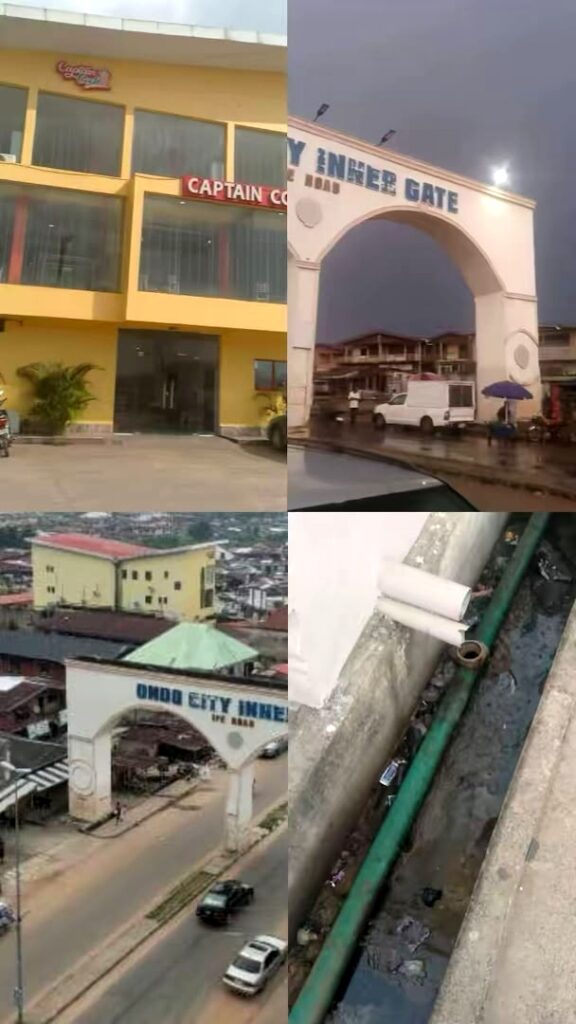
Pollution isn’t limited to informal dumping. The Punch reported Lagos authorities sealing an I-Fitness gym for allegedly discharging waste into public drains. In Ondo City’s Saluwa community, residents say wastewater from a nearby eatery has been diverted into open gutters for years because the business sits on swampy land. A 4-inch PVC pipe intervention failed. The smell persists. One bun seller told me she stopped complaining: “The people responsible are stronger than us.”
This is infrastructure failure. Water, like roads or power, is a productive asset. When it flows, agriculture, fisheries, and urban commerce work. When it’s blocked, the invoice arrives.
Blocked drains become floods. Floods collapse roads, close markets, destroy crops, and displace families. Governments then divert budgets from schools and hospitals to emergency response. Households pay clinics to treat waterborne diseases. Workers lose hours. Businesses lose customers who avoid foul-smelling areas.
The UN estimates billions globally lack safely managed water and sanitation. The downstream effects are measurable: missed school days, lost labor, higher healthcare spending, and stalled local economies.
Experts are reframing the issue. At the 2026 World Water Week training, Australian communicator Jonathan Captain-Webb urged participants to see water not just as a commodity but as a relationship. From First Nations perspectives, he argued, the health of water and people are inseparable. A dying river is a warning signal.
Nigeria’s experience shows it. As LightRay! Media reported during 2025 flashfloods in Ondo: “Water does not seek revenge. It simply obeys gravity.” When natural channels are filled with plastic and concrete, water finds another route. We call it a disaster.
The solutions are also economic. Enforce wastewater treatment for industry. Stop using drainage as waste disposal. Reopen natural waterways so they can self-cleanse and reduce flood risk. Plan cities around rivers, not over them.
For businesses, environmental compliance is not charity. It’s risk management. Every unit of spending on protecting water reduces future outlays on healthcare, infrastructure repair, and productivity loss. Clean water supports agriculture, tourism, and stable labor markets.
At the individual level, it means not dumping refuse in gutters, reducing plastic use, and reporting illegal pollution.
The proverb still holds. Water never chose its enemies. We did.
If Nigeria and other developing economies want growth that lasts, the math is simple: stop fighting the resource that keeps us alive. When water flows, the economy flows with it.


Comments