
WIPO DG Daren Tang Urges Nigeria to Turn IP Into Jobs, Investment, and Inclusive Growth
LightRay! News Feature
Abuja, Nigeria | Feature | 2 June 2026
The World Intellectual Property Organization rounded off a high-level visit to Nigeria Tuesday evening with a call to re-engineer the country’s IP system from a gatekeeper into an engine for economic empowerment.
At the UN House in Abuja, the WIPO Nigeria Office, in collaboration with the Nigerian Copyright Commission, hosted a Creative Sector Engagement themed ‘Making IP Work for Creators in Africa: From Rights Protection to Real Economic Value’. The event drew IP office representatives, legal experts, Collective Management Organisation officials, NCC management, creative industry stakeholders, and IP advocates.
“IP must empower, not exploit”
WIPO Director-General Dr. Daren Tang told the room that inclusivity should be the foundation of any IP policy overhaul. Speaking during the interactive session, he pointed to Nigeria’s growing confidence as a cultural powerhouse and to the current administration’s renewable strategy as tailwinds for reform.
“We must set up to transform IP as a catalyst for jobs, investments, development and prosperity with every sense of inclusivity,” Dr. Tang said.
He noted Afrobeat and Nollywood as proof of Nigeria’s global cultural reach, and highlighted the country’s innovation metrics: 3,000 startups and seven unicorns. Those numbers, he argued, represent untapped potential to reshape the IP framework. The goal now, he said, is to “solidify and concretise” the Nigeria-WIPO partnership around inclusive IP that supports economic empowerment and small and medium enterprises.
Policy, Unity, and a New Ministry
Hon. Minister of Arts, Culture, Tourism and Creative Economy, Mrs. Hanatu Musawa, Esq., joined the discussion segment anchored by veteran journalist and arts advocate Mr. Jahman Anikulapo. She framed the creative industry as a bridge across Africa’s cultural and linguistic divides.
Mrs. Musawa stressed the need for proper structures and policies that leverage IP to foster unity and collaboration. She pointed to the Federal Government’s decision to create a stand-alone ministry for the creative economy as a structural win for youth. The Minister then called for cross-ministerial coordination on IP policy and a unified push for regional cooperation in Africa’s creative sectors.
Culture Closed the Night
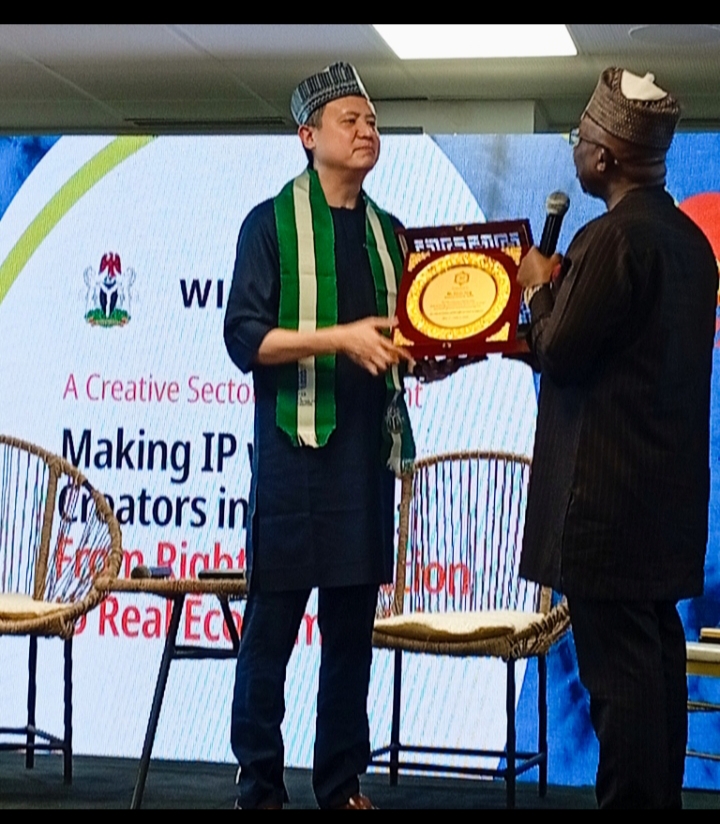
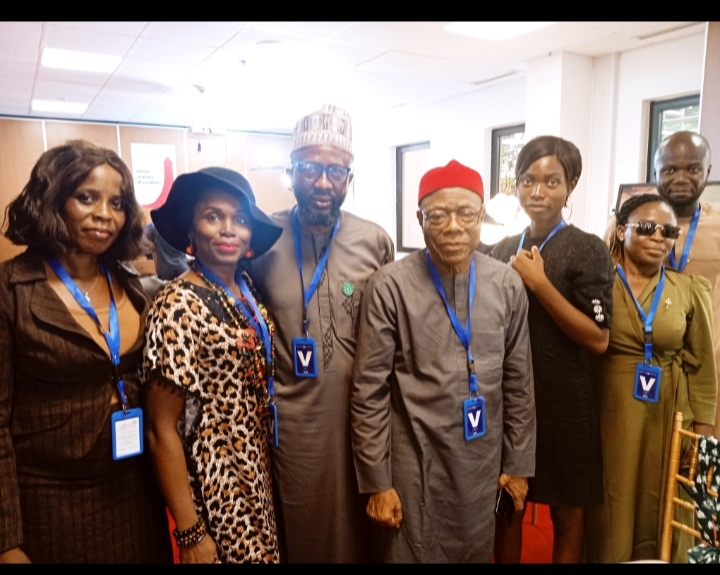
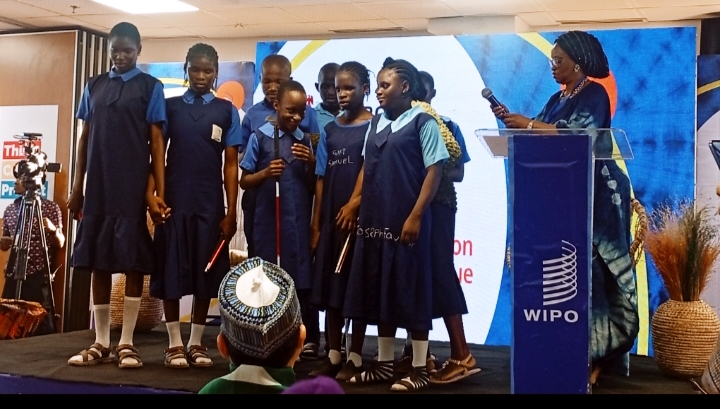
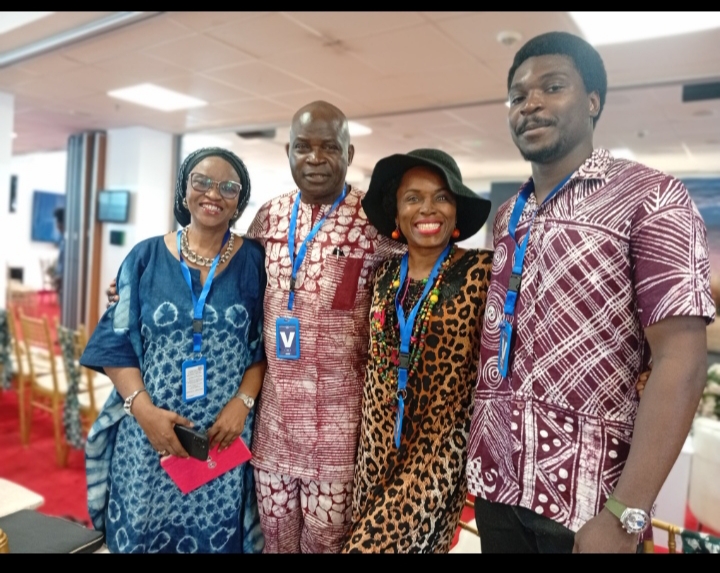
Highlights included a music performance by students of the FCT School for the Blind. The NCC Director-General, Dr. John Asein, presented a plaque and artwork as souvenirs to Dr. Tang. The evening ended with networking among creators, rights managers, and policymakers.
The message was consistent from WIPO to the NCC to the Ministry: rights protection is the start, but real economic value comes when IP is structured to work for every creator.


Comments