
“The Knife That Stole My Womanhood: No Pleasure, Painful Sex, and a Faithful Husband”
Brutal hands have scarred countless women, leaving bleeding hearts and broken homes in their wake. Female genital mutilation (FGM) robs women of sexual pleasure, turning intimacy into pain. Survivors face marital struggles, emotional trauma, and physical harm. As cultural norms perpetuate this practice, advocates demand urgent action to end this violation of human rights.
By Oluwaseyi Elizabeth Jimoh
The room was thick with tension as stakeholders gathered to discuss the devastating practice of Female Genital Mutilation/Circumcision (FGM/C). Voices rose, questions were asked, and clarifications were sought, but it was the words of a traditional birth attendant that silenced the hall. “I do not have the desire for sex. Even when I try to perform my conjugal duty as a woman, the process feels strange and uncomfortable. I thought it was normal until I went for a medical check-up and discovered that I had undergone genital mutilation. My clitoris had been removed, and I cannot feel sexual pleasure,” she revealed, her voice trembling with pain.
Her testimony was a stark reminder of the physical and emotional scars left by FGM/C—a practice that continues to harm millions of women and girls across Nigeria and beyond. The consequences are devastating: broken marriages, sexual dysfunction, and lifelong trauma. Medical practitioners like Dr. Ojo Rufus have seen it firsthand. He recounted the story of a newlywed bride who came to his clinic, crying in pain during her first attempts at intimacy. The examination revealed that her clitoris had been removed during childhood—a grim discovery for a woman unaware of the abuse she had endured.
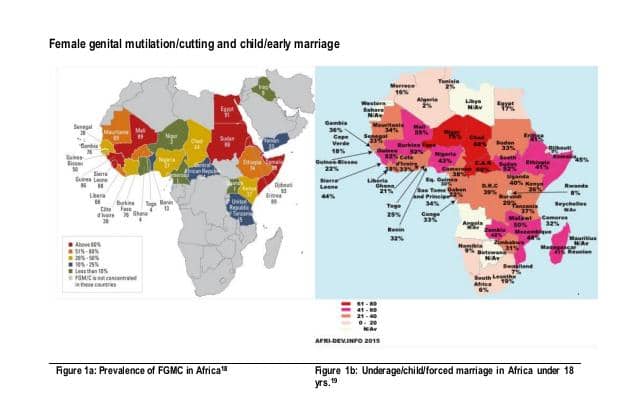
FGM/C, according to the World Health Organization (WHO), is a violation of human rights that causes severe pain, infections, childbirth complications, and even death. Globally, over 230 million women and girls live with its consequences, with Africa accounting for the majority of cases. In Nigeria, the practice is still prevalent, particularly in rural communities, where cultural norms perpetuate the belief that cutting a girl’s clitoris preserves her chastity and prepares her for marriage.
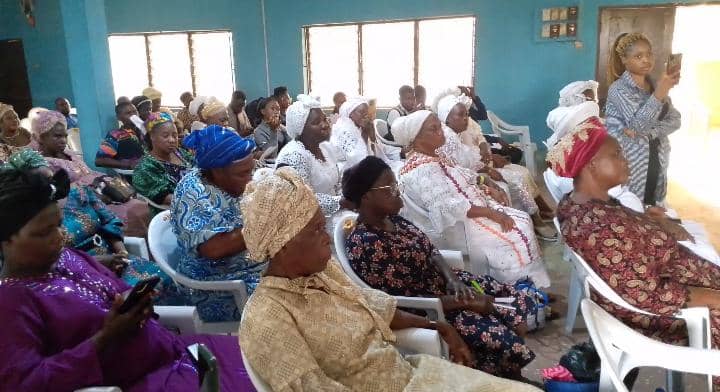
Ondo State is taking a stand. With the theme for the 2026 International Day of Zero Tolerance for FGM, #NoEndToFGMWithoutSustainedCommitmentAndInvestment, stakeholders, including government agencies, NGOs, and community leaders, are pushing for change. Mrs. Margaret Adebayo, Executive Director of the Global Awareness on Healthy Living Initiative (GHALI), described FGM/C as one of the most dangerous traditions affecting women and girls, urging collective action to end it. “This practice destroys lives, homes, and futures. We must engage traditional birth attendants, religious leaders, and community heads to educate the public and end the cycle of harm,” she said.
Survivors, advocates, and experts agree that eliminating FGM/C requires sustained collaboration and investment. Mrs. Folake Esan, President of the Women Association of Women Desk, noted that women are often both victims and perpetrators, driven by cultural norms to harm their daughters in the name of tradition. She called for awareness campaigns and urged survivors to speak out against stigma and silence. Barrister Deborah of the Association of Female Lawyers (FIDA) warned that perpetrators face jail terms under the Violence Against Persons Prohibition (VAPP) Act, urging mothers to protect their daughters from this violation.
The fight against FGM/C is gaining momentum in Africa, with countries like Kenya and South Africa leading the way through strong legislation and public education campaigns. In Nigeria, stakeholders believe progress is possible if the government, civil society, and communities work together. Health experts like Dr. Adeyalo Ogunlana emphasize the need to engage men and boys, dispelling myths that uncircumcised women are unworthy of marriage. She also called for accessible healthcare and psychological support for survivors.

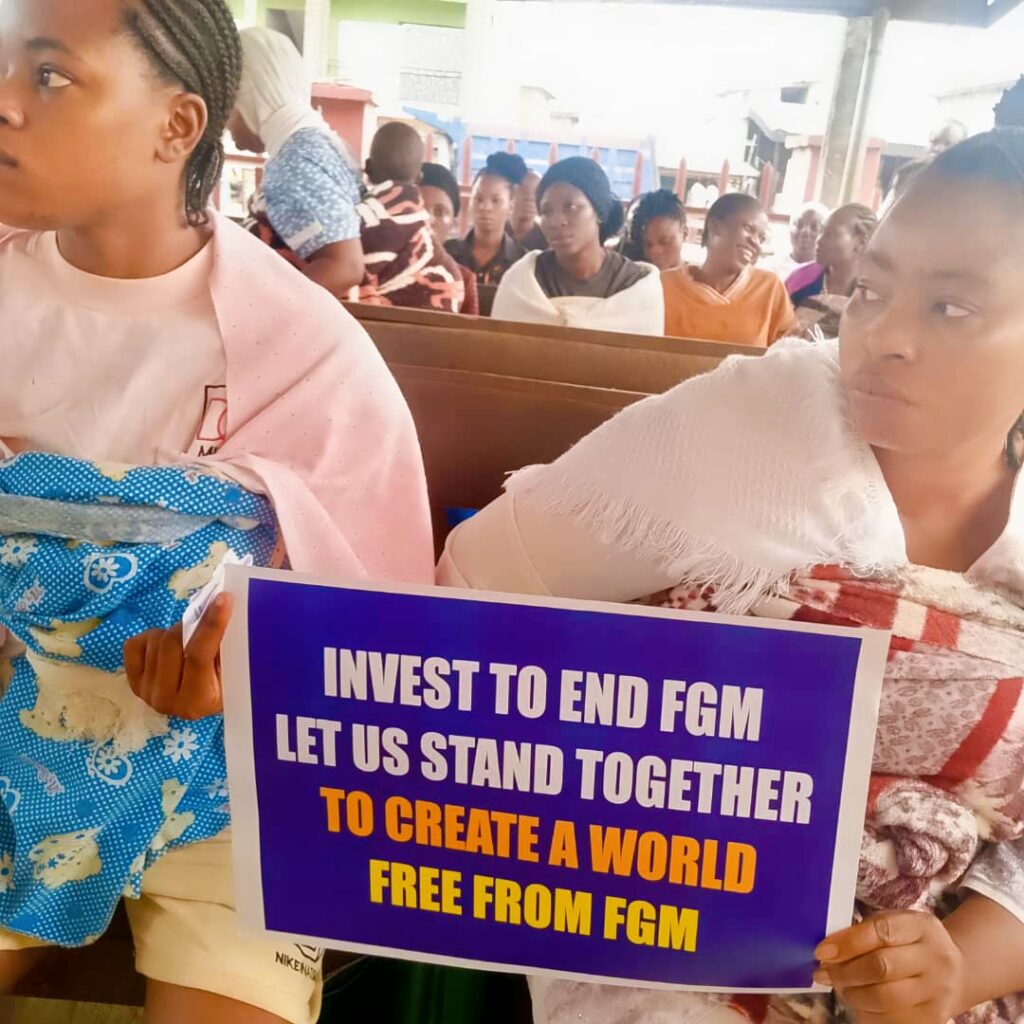
The statistics are sobering: in 2026 alone, an estimated 4.5 million girls—many under five—are at risk of FGM/C. Yet hope remains. WHO reports that the number of affected girls has fallen from 1 in 2 to 1 in 3 in recent decades, proving that prevention works. Every $1 invested in ending FGM/C brings $10 in benefits, highlighting the importance of sustained commitment.
FGM/C is not just a harmful tradition; it is a violation of human rights, a threat to health, and a stain on humanity. As voices rise and survivors speak out, the future of millions of girls depends on collective resolve, unwavering investment, and the courage to say, “Enough is enough.”
The question remains: Will Nigeria and the world rise to the challenge?


Comments