
THE RENDEZVOUS: Where Poems Get Paid
In Ikoyi, poetry is trying to be more than a poem — it’s trying to be an economy.
A LightRay! Arts & Creative Feature
IKOYI, LAGOS — Poetry in Lagos has never had a problem with passion. It has had a problem with a place to sit.
On Saturday, October 24th, it found one, at least for an afternoon, at the Alliance Française de Lagos, inside the Mike Adenuga Centre, which is the kind of building that makes Ikoyi feel like Ikoyi — glass, quiet, air-conditioned to a temperature that suggests someone is paying for it.
The Naija Poetry Fest Community had called it the October edition of the Monthly Poetic Rendezvous. The name is cumbersome, but the impulse is precise. Once a month, poets, writers, students, lovers of literature, and people who simply like being around people who read, gather to argue about books and watch poetry become something you can hear and see.
This edition was co-hosted with the Adesuwa Africa Charitable Foundation, which matters, because in Nigerian literary life, philanthropy is often the difference between an idea and an event. The hosts — Mr. Oluwafemi and Gina Obi, who performs as Reigning Queen — kept the room warm, which is harder than it sounds when you are balancing poetry readings, book reviews, dance, and the inevitable Lagos speeches.
At the center were two books: How to Be a Good Wife and I Stumble Inside Me Looking for Sunlight. The titles themselves tell you where Nigerian literature is right now — inward, domestic, searching. The reviews did not try to be polite. They opened up the uncomfortable questions literature is supposed to open: What does marriage ask of women? What does sunlight have to do with stumbling? The conversation was enriched, or perhaps made respectable, by the presence of Amarachukwu Chimeka, Su’eddie Vershima Agema, and Servio Gbadamosi — three names that, in certain Lagos literary WhatsApp groups, function as a kind of quality assurance.
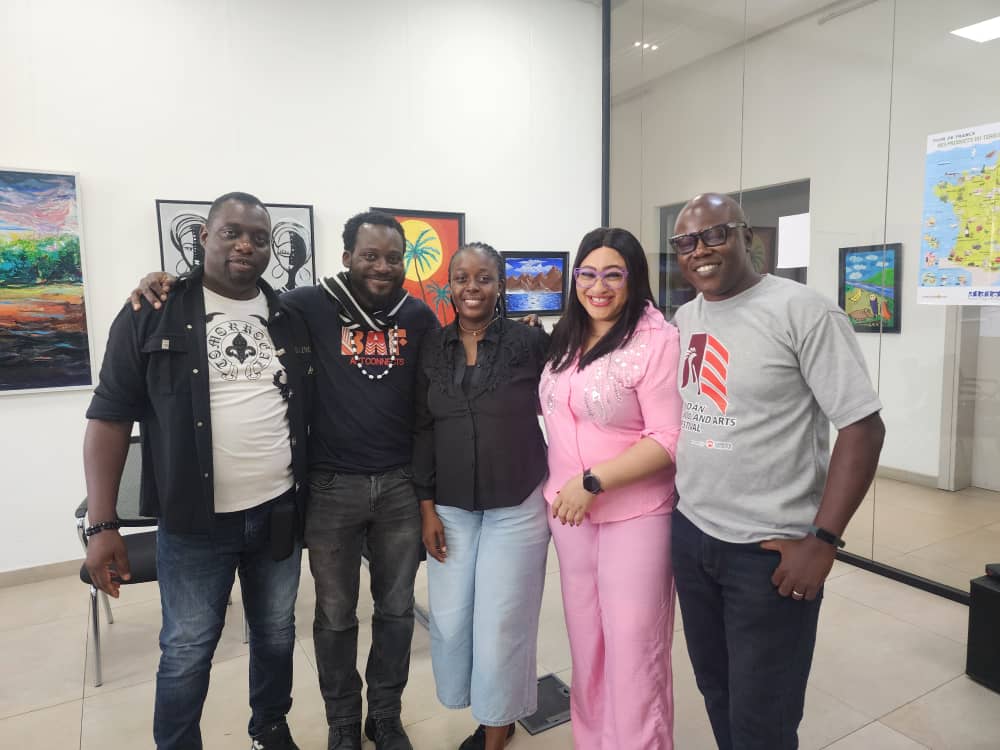
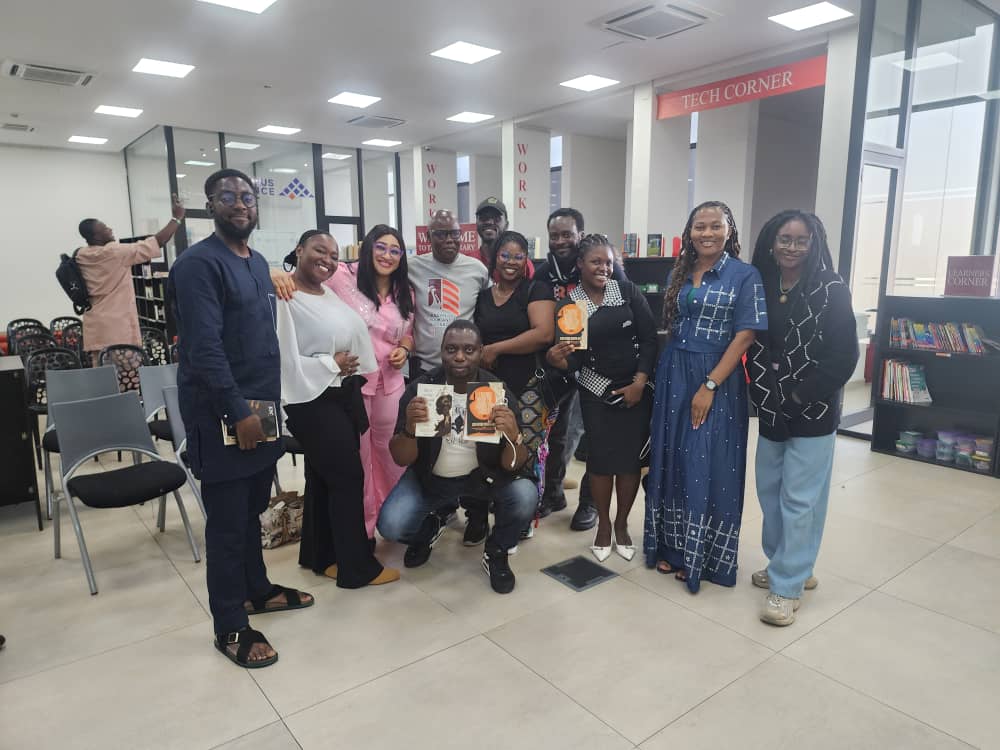
And then, as is the custom at these things, the room stopped being a seminar and became a show.
Shigo Arts danced. It was not an interlude; it was an argument. That poetry is not only text. Holyspice performed. West performed. Several other poets whose stage names are more memorable than their government names performed. The point was made, if a little insistently: poetry in Nigeria is no longer content to be read in a corner. It wants to be heard, seen, felt, lived — verbs that appeared in the official release but were, for once, accurate.
The most invigorating part of the afternoon was also the most un-Lagos part: they gave out money. Or at least, recognition that came with something more tangible than applause. The Adesuwa Africa Charitable Foundation rewarded poets for their creative contributions. In a city where poets are routinely asked to perform for “exposure” at events sponsored by banks, this is almost radical. To be paid, however modestly, for a poem in Lagos is to be told your work is not just beautiful but valuable.
Odufa Onaulogho, the librarian at Alliance Française, did what librarians do best — she thanked everyone precisely. Godson Osarenren, Amarachukwu Chimeka, Su’eddie Vershima Agema, Servio Gbadamosi, Adesuwa Africa, Naija Poetry Fest. It was a long list, but it was the real story: that this thing happened not because one institution willed it, but because several agreed to share a room, a stage, and a bill.
That is the quiet economy of literature in Lagos right now. Not the big festival with international flights, but the monthly rendezvous where cultural institutions, literary communities, and small foundations unite around a shared delusion that people still want to gather for poetry.
On Saturday, at Alliance Française, they did. They listened to reviews of wives and sunlight. They watched a dance. They clapped for poets who got something more than claps. And for a few hours, poetry had what it so rarely has in this city — not just an audience, but an address.


Comments